If you own a Brooklyn home, a rental in Queens, or a small mixed-use building, one lawsuit can put decades of work at risk. Protecting Real Estate Holdings from Litigation in NYC is not about “hiding” anything, it is about using the right New York legal structures before trouble starts.
This guide explains why NYC owners face unique litigation pressure, which asset protection strategies for NYC real estate actually work, and how Brooklyn real estate asset protection ties directly into estate planning and elder law. You will also see anonymized local examples and a step-by-step plan you can act on.
For families also worried about aging parents and paperwork, start with what an elder law attorney can do for you.
Ready to get a plan you can explain to your spouse and your accountant? Schedule a Free Consultation with Alatsas Law Firm.
Key Takeaways
- Separation beats secrecy: The safest approach is structuring ownership so one claim does not reach everything.
- LLCs are not “set it and forget it”: Poor banking and sloppy leases can weaken how well an LLC helps.
- Protecting Real Estate Holdings from Litigation in NYC starts early: Many tools work best before a claim exists.
- Elder law changes the math: Long-term care costs can be as threatening as a lawsuit.
- Your paperwork must match your life: Deeds, insurance, leases, and estate documents must line up.
Understanding the Unique Challenges of Protecting Real Estate Holdings from Litigation in NYC
NYC real estate draws claims the way scaffolding draws DOB inspections: frequently, and sometimes unexpectedly. Owners here deal with dense living, heavy foot traffic, and buildings with long maintenance histories. That is why how to protect property from lawsuits in New York looks different than generic advice from out of state.
A common scenario we see in Brooklyn is “one building, many risks.” Your tenant runs a small business on the ground floor. An upstairs unit has an unreported leak. A delivery person slips on the front steps during a rainy week. Each event can create a separate claim, and they can stack up fast.
Why NYC owners face more litigation pressure
Volume matters. More tenants, more visitors, more contractors, and more turnover means more opportunities for injury claims and disputes. On top of that, many NYC buildings are older, which raises issues like lead paint allegations, mold claims, and facade or stairway maintenance disputes.
We also see owners underestimate “paper” litigation. A partnership disagreement, a contested divorce, or a business creditor can turn into a demand to reach your real estate. If you are a small business owner, the fear is rational: a business lawsuit can spill into personal assets if ownership and guarantees are sloppy.
For broader context on civil court and housing-related case types, New York’s Unified Court System provides public information at nycourts.gov.

The bottom line is simple: NYC risk is both legal and practical, and your protection plan has to be built for local realities. Next, let’s walk through the tools that tend to hold up when claims get serious.
Proven Asset Protection Strategies for NYC Real Estate Owners
Good asset protection is boring on purpose: clean entities, clean contracts, clean insurance, and clean records. When Protecting Real Estate Holdings from Litigation in NYC is done right, the goal is to reduce the chance of being sued, and limit the damage if you are.
Use LLCs the right way (and do not overpromise)
For many owners, an LLC is the first line of defense because it can help isolate liabilities by property. But an LLC is not automatic protection. In our experience, weaknesses show up when owners:
- sign leases personally, or personally guarantee vendor contracts
- mix building income with personal spending
- under-document loans “between family members”
Think of it like a firewall. If you punch holes through it, do not be surprised when the fire spreads.
Insurance is part of asset protection, not a separate topic
Insurance is often the fastest “payout” layer, and it can reduce pressure to chase your personal assets. Make sure your broker understands your actual use: owner-occupied, rental, short-term occupants, renovations, and any commercial space.
For baseline homeowner and property insurance education, the New York State Department of Financial Services offers consumer guidance.
Tighten your contracts and your “evidence trail”
Owners win and lose cases on documentation. Leases, incident logs, and repair records are not busywork, they are how you show reasonable care and consistent management.
A practical Brooklyn example: if a tenant texts about a broken handrail and you ignore it, the plaintiff’s lawyer will call that “notice.” If you respond, schedule a repair, and keep photos, you have a very different story.

Consider trusts and ownership planning for the long game
Some families also need estate planning for real estate investors NYC, especially when multiple children, second marriages, or uneven contributions create tension. A trust can help manage inheritance, reduce probate exposure, and create rules that keep the property from becoming a family fight.
If you are unsure where trusts fit, this plain-English Q and A helps: When should a family consider a trust as part of an estate plan, and what type of trust should they use?
These strategies work best when they are integrated with elder law realities, because lawsuits are not the only threat to a family home in Brooklyn.
Integrating Elder Law and Estate Planning into Brooklyn Real Estate Asset Protection
For many Brooklyn families, the biggest “creditor” is not a plaintiff, it is long-term care costs. Elder law and real estate protection NYC often determines whether a spouse can stay in the home, and whether children inherit anything meaningful.
If you are an adult child caregiver, you may be hearing two competing messages: “Transfer the house to the kids now,” and “Do nothing until we know more.” The truth is that the right plan depends on timing, health, income, and family dynamics.
Avoid the common deed transfer mistake
An early transfer can create tax and legal problems if it is done casually. You may trigger gift tax filing requirements, lose flexibility, or create exposure to a child’s divorce or creditors. You can also lose valuable tax benefits depending on how title is handled.
This is where Medicaid planning enters the conversation. A properly designed Medicaid Asset Protection Trust may be appropriate for some families, but it must be done carefully and early enough to meet planning timelines.
If your family is in a cash crunch after a hospitalization, read Using Retroactive Medicaid Benefits to Prevent Financial Disaster to understand one often-missed option.
Do not ignore incapacity planning
Real estate “protection” collapses if no one can sign when a parent becomes ill. Powers of attorney and health care proxies are the documents that keep a plan functioning in real life, not just on paper.
For younger families and new adults, this is a good starting point: Coming of Age and Powers of Attorney.

When elder law, estate planning, and Brooklyn real estate asset protection are aligned, you are not just reacting to lawsuits. You are building a plan that survives illness, family transitions, and time.
Real Brooklyn Case Studies: How Families Successfully Protected Their Real Estate Assets
The best way to understand Protecting Real Estate Holdings from Litigation in NYC is to see how it plays out in real households. Here are anonymized examples similar to the situations we regularly see.
Case study 1: The contractor accident that did not become a family financial disaster
A Bay Ridge couple owned a two-family and a small HVAC business. A subcontractor claimed an on-site injury and sued multiple parties. The couple had the property owned in an LLC, carried appropriate liability coverage, and kept contractor agreements and certificates of insurance organized.
The claim still created stress, but the combination of entity separation and insurance helped prevent the lawsuit from turning into a threat to their personal savings.
Case study 2: The “simple” inheritance plan that would have triggered a sibling war
A family near Sheepshead Bay wanted to “just leave the building to the kids.” One child lived in the top unit, another lived out of state, and a third had significant debt issues. We helped them redesign the plan using an estate structure that set clear management rules and distribution terms.
They later told us the biggest benefit was not legal, it was emotional clarity. If you want to see what clients value most, read Testimonials From Our Family Law & Asset Protection Clients.
These stories share a theme: the families who fare best treat asset protection like a system, not a single document.
Taking Action: Your Step-by-Step Plan to Protecting Real Estate Holdings from Litigation in NYC
A strong plan is measurable: you can point to the deed, the policy, the bank account, and the binder of records. If you want practical momentum, use this step-by-step framework for Protecting Real Estate Holdings from Litigation in NYC.
Step 1: Map what you own and how it is titled
List each property, how title is held (individual, joint, LLC, trust), and who is on the mortgage. Many problems start when the deed and the “family story” do not match.
If you are missing statements or you rely on old spreadsheets, use this prompt to get organized: Is Your Financial Information Up to Date?.
Step 2: Identify the liability sources
Look beyond “tenant injury.” Include:
- business lawsuits and personal guarantees
- divorce and equitable distribution concerns
- partner or sibling disputes over management
- long-term care cost exposure
Naming the risk tells you which tool to use, and which tool to skip.
Step 3: Right-size your structures (LLCs, trusts, and contracts)
This is where asset protection strategies for NYC real estate become customized. Some owners need one LLC per property; others need a different approach because of financing, taxes, or succession goals. For some families, an irrevocable trust becomes part of the solution.
If you are specifically weighing the home-and-trust question, start here: Should I put my primary residence in an irrevocable trust?
Step 4: Upgrade your “paper shield” and your real-world operations
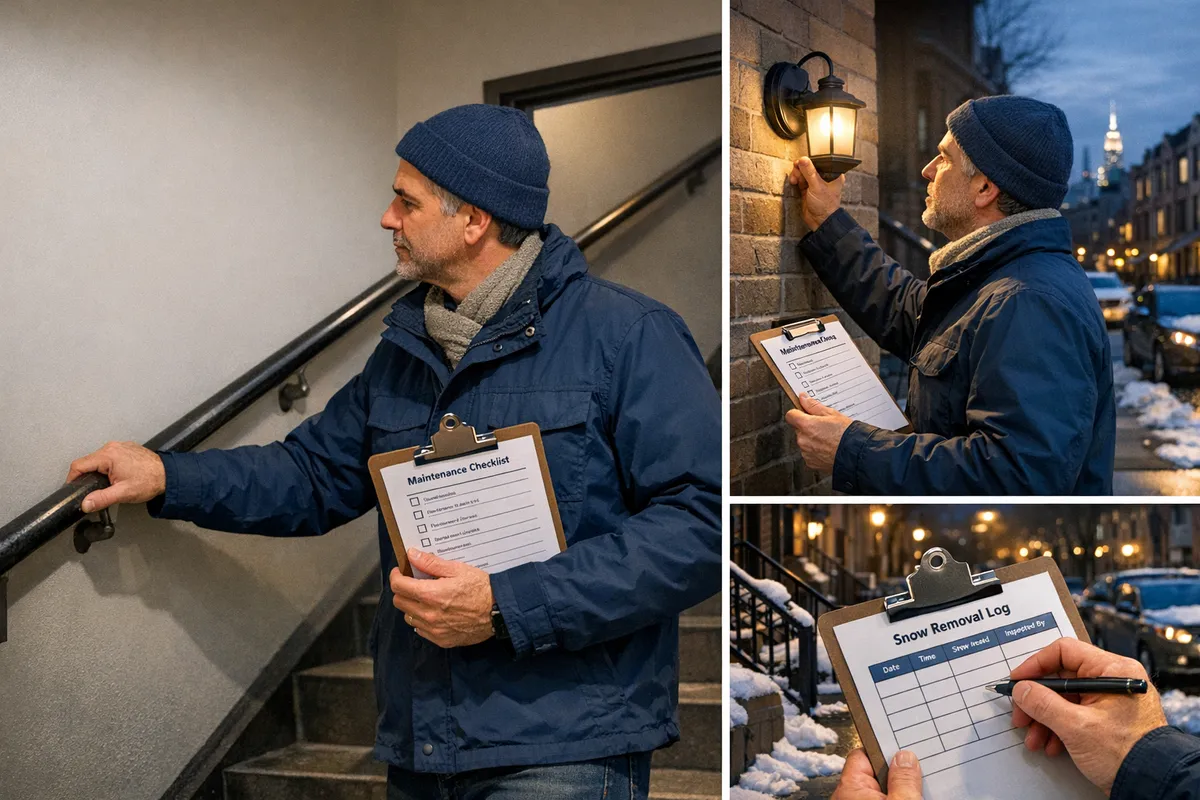
Fix the gaps that create claims: lighting, railings, snow removal procedures, vendor insurance, and incident reporting. Also protect what matters inside the building, because personal property disputes can add fuel to family conflicts. A thoughtful read is Memory Makers: Your Personal Possessions.
Step 5: Put dates on the calendar
Plans fail when they are not maintained. Review insurance annually, update leases when laws change, and revisit estate documents after major life events.
Want help turning this into a written plan with clear next steps? Start your journey with Alatsas Law Firm using this secure form: Start Your Journey.
Frequently Asked Questions About Protecting Real Estate Holdings from Litigation in NYC
How do I protect my assets from litigation?
You protect assets from litigation by separating ownership, documenting operations, and keeping adequate insurance in place before a dispute arises. In NYC real estate, that usually means correctly maintained LLCs, clean leases and vendor contracts, and estate planning that matches your family goals. A Brooklyn-focused attorney can also spot risks that generic online templates miss, like personal guarantees, co-owner conflicts, and long-term care exposure.
How do I hide my assets once being sued?
You generally should not try to “hide” assets once you are being sued, because transfers made after a claim arises can be challenged and may create serious legal consequences. Instead, focus on responding through counsel, notifying your insurance carrier, and exploring lawful defenses and settlement strategies. The strongest protection is proactive planning, when ownership structures and trusts are created for legitimate planning reasons, not to dodge a specific creditor.
Your Next Steps for Protecting NYC Property and Family Wealth
Protecting Real Estate Holdings from Litigation in NYC works best when you treat it like a family project, not a last-minute scramble. The right mix of LLC structuring, insurance, and documentation can reduce the impact of a lawsuit, while elder law and estate planning can reduce the threat of long-term care costs.
If you own property in Brooklyn, start by confirming how title is held and whether your paperwork matches your real life. Then build outward: leases, operations, and a plan for incapacity and inheritance.
When you are ready, a local strategy session can turn uncertainty into a clear, written roadmap that protects both your property and your peace of mind.