
More than 60 percent of American seniors will require long-term care at some point, yet few families feel fully prepared for the legal and financial complexities that come with aging. Planning ahead can mean the difference between preserving hard-earned assets and facing costly surprises. By understanding the essential steps for elder law planning in Brooklyn, you gain the tools to protect your family, secure your finances, and make confident choices about care.
Quick Summary
| Key Point | Explanation |
|---|---|
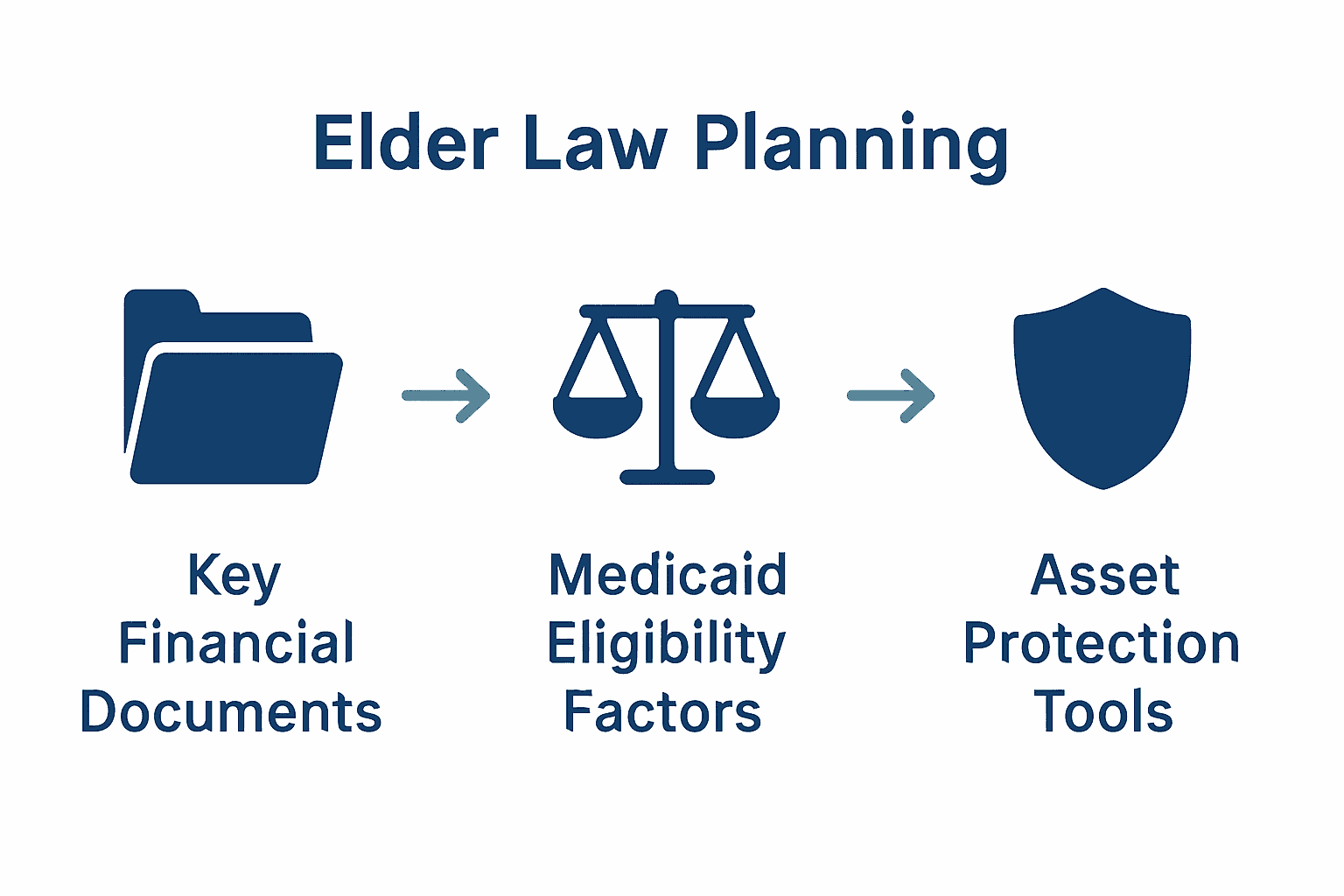
| 1. Gather all financial documents | Compile essential financial records like statements, deeds, and policies to assess the current situation and prepare for elder law planning. |
| 2. Evaluate Medicaid eligibility criteria | Review your health and financial status to understand how age, income, and assets affect Medicaid eligibility for long-term care services. |
| 3. Develop asset protection strategies | Consult an elder law attorney to explore trusts and asset transfer strategies that align with New York regulations and protect your resources. |
| 4. Draft legal documents with experts | Work with an attorney to create essential legal documents ensuring your healthcare and financial wishes are accurately represented and legally enforced. |
| 5. Conduct annual plan reviews | Regularly reassess your elder law plan to ensure ongoing compliance with changing financial circumstances and eligibility requirements for Medicaid. |
Step 1: Gather Essential Family and Financial Information
Preparing for elder law planning requires comprehensive documentation of your family and financial landscape. This critical first step sets the foundation for protecting your assets and understanding potential Medicaid eligibility. According to medicaidlongtermcare.org, compiling detailed information about income, assets, debts, and existing legal documents is essential for navigating elder law successfully.
Start by creating an organized file that includes all financial records. This should encompass bank statements, investment accounts, retirement portfolios, property deeds, insurance policies, and any existing estate planning documents. ltcnews.com recommends documenting every source of income and listing all assets and liabilities with precision. Pay special attention to details like account numbers, contact information for financial institutions, and current account balances.

A pro tip for Brooklyn residents: Keep digital and physical copies of all documents in a secure, easily accessible location. Consider creating a comprehensive spreadsheet that tracks all financial information, making it simple for family members or legal representatives to understand your complete financial picture if needed. This preparation not only supports elder law planning but provides peace of mind for you and your loved ones.
Step 2: Evaluate Long-Term Care and Medicaid Eligibility Needs
Understanding your long-term care needs and Medicaid eligibility is a critical step in protecting your financial future and ensuring quality care. According to kff.org, evaluating long-term care involves assessing various services like in-home care, assisted living, and nursing home options while carefully examining Medicaid eligibility criteria.
Start by thoroughly reviewing your current health status, anticipated care requirements, and financial resources. acl.gov highlights that Medicaid eligibility is determined by multiple factors including age, disability status, income, and total assets. In New York, this means carefully documenting your financial situation and understanding the specific income and asset limits for Medicaid long-term care programs. Take time to inventory all potential care needs including medical support, personal assistance, and potential home modifications.
A strategic tip for Brooklyn residents: Consider consulting with an elder law attorney who specializes in Medicaid planning. They can help you navigate the complex eligibility requirements and potentially develop strategies to protect your assets while qualifying for necessary care services. This proactive approach can make a significant difference in securing comprehensive long-term care coverage without depleting your entire life savings.
Step 3: Develop Asset Protection and Estate Planning Strategies
Protecting your assets while preparing for potential long-term care needs requires strategic planning and thoughtful legal approaches. Medicaid.gov emphasizes the importance of understanding how trusts, asset transfers, and spousal impoverishment rules can impact your overall financial protection strategy.
Start by consulting with an elder law attorney who specializes in asset preservation techniques specific to New York state regulations. MedicareInteractive.org recommends exploring home and community-based service waiver programs that can help you receive care while potentially preserving your assets. Consider creating irrevocable trusts, strategically gifting assets to family members, and developing a comprehensive estate plan that includes powers of attorney, healthcare proxies, and detailed directives.
A critical tip for Brooklyn residents: Understand that asset protection is not about hiding money, but strategically positioning your resources to qualify for Medicaid while maintaining financial stability. Learn about asset protection strategies that can help you maintain control and security during uncertain times. The goal is to create a flexible plan that adapts to your changing healthcare and financial needs while protecting your hard earned assets.
Step 4: Draft Key Legal Documents With Professional Guidance
Navigating the complex world of legal documentation requires careful planning and expert guidance. According to MedicareInteractive.org, drafting key legal documents like durable powers of attorney, healthcare proxies, and living wills is crucial for ensuring your wishes are accurately represented and legally protected.
Begin by scheduling a comprehensive consultation with an elder law attorney who understands New York state regulations. LTCNews.com emphasizes the importance of creating documents that manage assets, healthcare decisions, and end-of-life preferences under professional supervision. Focus on developing a comprehensive package that includes a will, healthcare proxy, financial power of attorney, and potentially a living trust. Each document should clearly outline your specific wishes, medical preferences, and financial management instructions.
A critical tip for Brooklyn residents: Avoid the pitfalls of a DIY estate plan by working closely with a professional who can help you navigate the nuanced legal landscape. Professional guidance ensures your documents are not just legally sound, but truly reflective of your personal circumstances and long-term care goals. Remember that these documents are living instruments that should be reviewed and updated periodically as your life circumstances change.
Step 5: Review and Update Plans for Ongoing Compliance
Maintaining the effectiveness of your elder law plan requires consistent and strategic review. KFF.org emphasizes that changes in income, assets, or state regulations can significantly impact Medicaid eligibility, making periodic reassessment absolutely critical for protecting your long-term care strategy.
Schedule comprehensive annual reviews with your elder law attorney to ensure your legal documents and financial plans remain current and compliant. Medicaid.gov recommends continuous monitoring of eligibility policies and asset protection strategies. During these reviews, carefully examine your financial situation, update beneficiary designations, reassess asset protection techniques, and verify that your existing documents still align with your current health and financial circumstances.
A strategic tip for Brooklyn residents: Create a dedicated folder or digital system to track important documents and set calendar reminders for annual reviews. While it might seem tedious, these proactive steps can save you thousands in potential legal complications and ensure your elder law plan remains robust and responsive to your changing life circumstances. Remember that your plan is a living document that should evolve as your personal and financial landscape shifts.
Protect Your Legacy and Navigate Medicaid with Confidence
Elder law planning involves complex challenges like securing your assets, understanding Medicaid eligibility, and preparing vital legal documents. You may feel overwhelmed trying to protect your hard-earned savings and ensuring your family is taken care of when long-term care becomes necessary. This guide highlights key steps such as gathering financial information, evaluating care needs, and developing asset protection strategies that are essential for Brooklyn families facing these decisions.
Don’t leave your future to chance. Our experienced team at Alatsas Law Firm specializes in estate planning, elder law, and Medicaid planning designed specifically for families in Brooklyn. We provide personalized support to help you create clear family directives, safeguard your assets from nursing home costs, and avoid probate delays. Take control today by starting with a professional consultation. Visit Contact Us now to schedule your appointment and get access to expert legal guidance. Learn more about our services and download free legal guides to empower your planning at Alatsas Law Firm.
Secure your peace of mind for tomorrow by acting now. Your family deserves the confidence that comes from a well-crafted elder law plan.
Frequently Asked Questions
What documents do I need to gather for elder law planning in Brooklyn?
To start elder law planning, you should collect financial records such as bank statements, investment accounts, property deeds, and any estate planning documents. Organize these into a secure file to ensure you have a complete picture of your assets and liabilities.
How can I assess my long-term care needs and Medicaid eligibility?
Begin by evaluating your current health status and anticipated care requirements, along with your financial resources. Take detailed notes on your income, total assets, and any existing debts to better understand your eligibility for Medicaid long-term care programs.
What are effective asset protection strategies for long-term care?
Effective strategies include setting up irrevocable trusts, gifting assets to family members, and creating detailed estate plans. Consult an elder law attorney in Brooklyn to tailor these strategies to your personal situation and ensure compliance with local laws.
What key legal documents should I draft for elder law planning?
You should draft essential legal documents such as durable powers of attorney, healthcare proxies, and living wills. These documents help ensure your wishes regarding medical and financial decisions are followed, so schedule a consultation with an elder law attorney to create them properly.
How often should I review my elder law plan for compliance?
Review your elder law plan at least once a year to ensure it remains current and aligned with changing laws or personal circumstances. Set reminders in your calendar for these annual reviews to maintain compliance and protect your assets effectively.
Why is it important to consult an elder law attorney in Brooklyn?
Consulting an elder law attorney ensures that your planning adheres to legal standards and protects your interests effectively. Take the step to schedule a consultation, as their expertise can help you navigate complex Medicaid regulations and asset protection strategies.