When a will feels “wrong,” most New Yorkers assume they are stuck with it. If you are wondering what is the legal process of contesting a will in new york, the answer is: it is a court-supervised challenge, usually inside the Surrogate’s Court probate case, and it only succeeds when you act fast and can prove specific legal grounds.
In my Brooklyn practice, I see this question from small business owners protecting family assets, adult children caregiving for parents, and divorcing spouses worried about fairness. This guide explains the NY-specific process, timelines, filings, and real-life outcomes so you can make smart decisions early.
You may also want a quick refresher on wills basics before you start. Here is a helpful primer: Last Wills and Testaments | Most Commonly Asked Questions.
Ready to get clarity on your options? Schedule a Free Consultation with Alatsas Law Firm to discuss deadlines, evidence, and the most cost-effective path forward.
Key Takeaways
- Standing comes first: Only certain people can object, usually distributees (next of kin) and named beneficiaries.
- Grounds matter more than feelings: Legal grounds for contesting a will NY are limited to issues like capacity, undue influence, fraud, and improper signing.
- Timing is leverage: The best chance to act is often before probate is finalized, during the citations and objections phase.
- Costs are not always endless: Fees can be managed with early case screening, targeted discovery, and settlement strategy.
- Process is structured: What is the legal process of contesting a will in new york is essentially pleadings, discovery (SCPA 1404), motion practice, and potential trial.
What Is the Legal Process of Contesting a Will in New York? An Overview
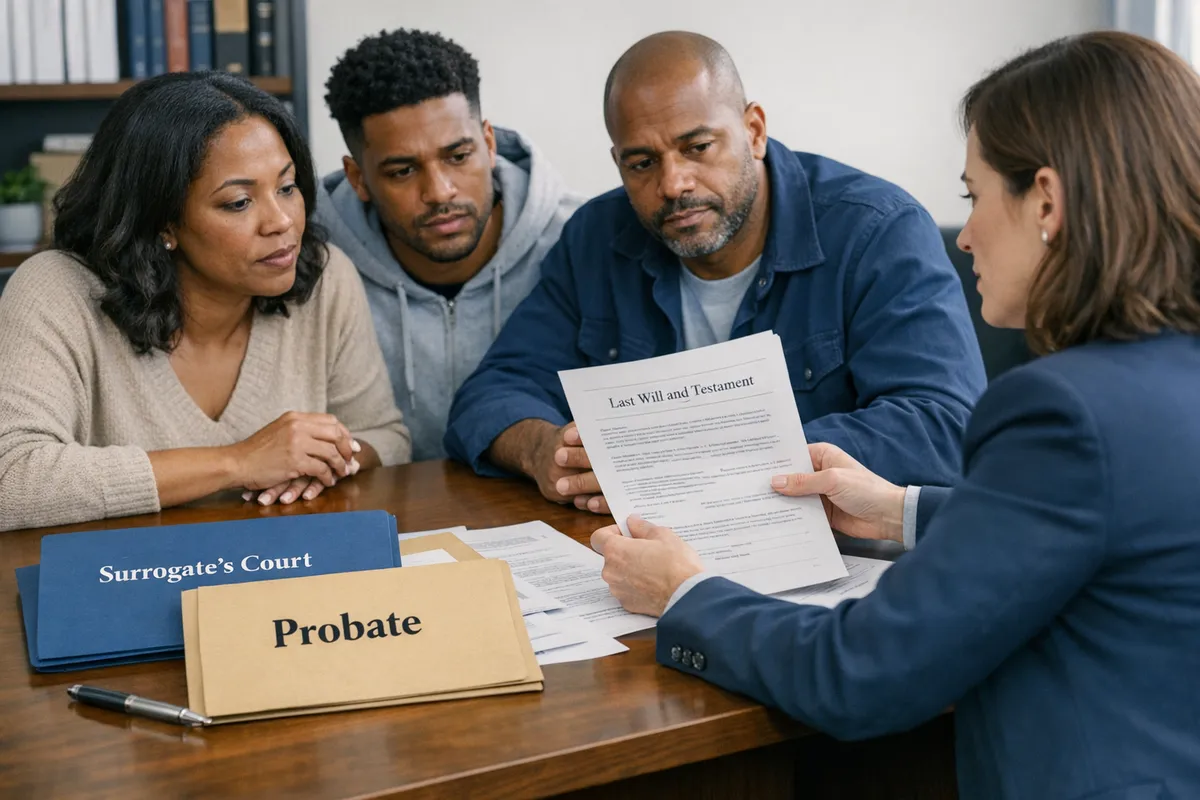
In New York, you typically contest a will inside the probate proceeding, not as a separate lawsuit. Probate is the Surrogate’s Court process where the court validates a will and appoints an executor. In NYC, that usually means the Surrogate’s Court in Manhattan, Brooklyn, Queens, the Bronx, or Staten Island depending on where the decedent lived.
A common scenario is this: a family caregiver in Bay Ridge finds a “new” will that cuts out siblings who helped for years. Or a small business owner learns that the will shifts company interests in a way that threatens payroll, leases, and the family home. Those are emotional facts, but the court focuses on legal proof.
Where the case lives: Surrogate’s Court and the probate file
The case begins when the proposed executor files a petition to probate the will. The court issues citations (formal notices) to people who have a right to object. If an interested person files objections, the probate process pauses while the court resolves the dispute. The NYC courts’ Surrogate’s Court resources are a helpful orientation: NYC Surrogate’s Court.
What “contesting” really means in practice
Most will contests turn on evidence, not courtroom speeches. The parties exchange documents and take testimony, often using SCPA 1404 examinations (questioning the drafting attorney and witnesses before the will is admitted). Many cases settle after key depositions clarify what is strong and what is weak.
If you are also trying to understand the bigger probate picture, it helps to know what happens when there is no will at all. See: What Happens When You Die Without a Will?. Next, let’s talk about the specific legal grounds that actually win cases.
Legal Grounds for Contesting a Will in New York: What You Need to Know
You cannot contest a will in New York just because it feels unfair. The law requires recognized grounds, and you need facts that can be proven with documents, witness testimony, and sometimes medical records.
Below are the most common legal grounds for contesting a will NY clients ask about, with plain-English examples of how they show up.
Lack of testamentary capacity
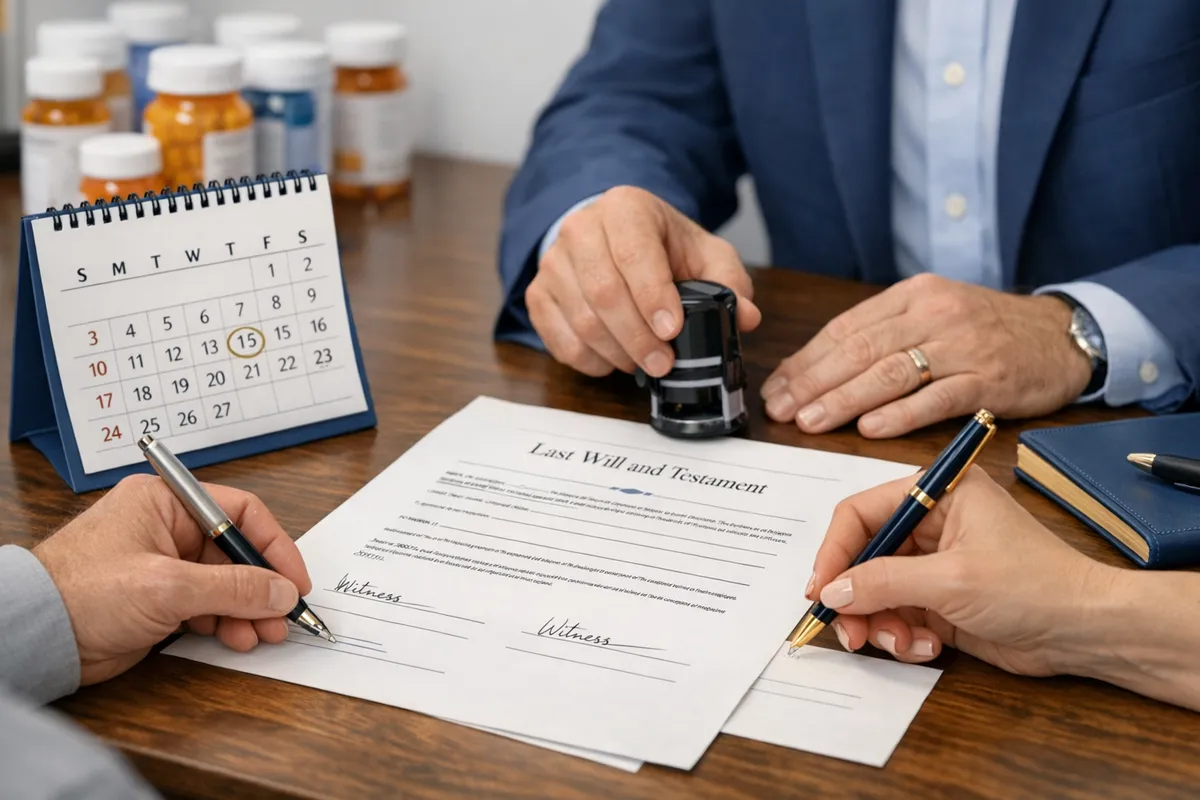
A testator must understand, in a basic way, what they own, who their natural heirs are, and what a will does at the moment they sign. Capacity issues often involve dementia, delirium, medication effects, or a stroke.
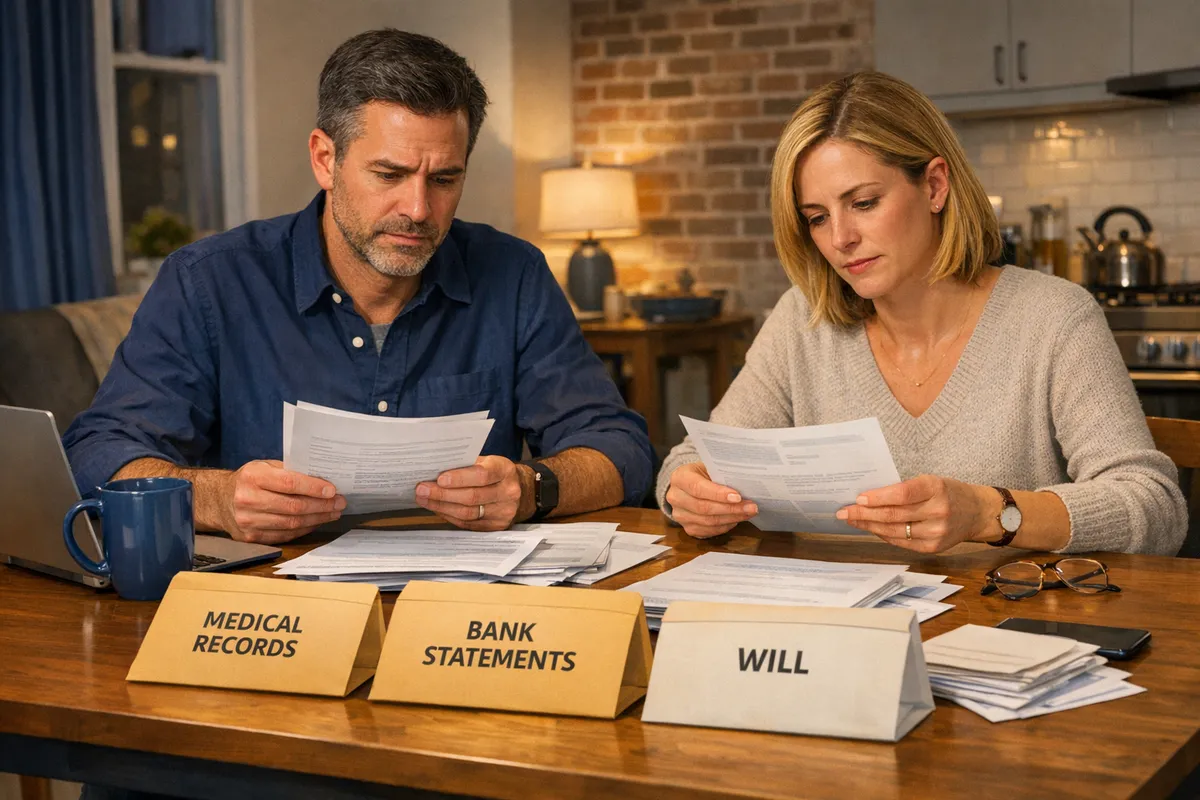
In our experience, capacity cases succeed when you can show a sharp mismatch between the signing date and the medical narrative, like a hospital admission for confusion within days of execution. Medical records, caregiver logs, and neutral witnesses matter.
Undue influence
Undue influence is pressure that overpowers the testator’s free choice. Think isolation, dependency, and a beneficiary who “managed” all access to the testator.
For example, a divorcing parent might discover that an ex-spouse or new partner controlled the testator’s phone, finances, and appointments. The court looks for patterns: who arranged the attorney meeting, who was in the room, and who benefited.
Fraud or forgery
Fraud can mean tricking someone into signing a document they did not understand. Forgery means the signature is not theirs. These cases can require handwriting experts and careful chain-of-custody proof for the original will.
Improper execution (signing problems)
New York’s execution rules are strict. The will generally must be signed by the testator (or at their direction) and witnessed properly. You can read the statutory execution requirements here: NY EPTL 3-2.1.
This is where “kitchen table wills” and rushed signings often fail. If a witness was not present, or the formalities were not followed, the will can be denied probate.
Revocation or a later will
Sometimes the “real” case is that a newer will exists, or the old will was revoked. A safe deposit box entry, an attorney file, or credible testimony about destruction can become central.
If your dispute is really about protecting a home or business assets after the dust settles, it may be worth learning how trusts fit into planning. Start here: When should a family consider a trust as part of an estate plan, and what type of trust should they use?. Next, let’s walk through the concrete steps to file and litigate a challenge.
Steps to Challenge a Will in NYC: Filing a Will Contest in New York Courts
The most practical way to think about filing a will contest in New York courts is: (1) confirm you have standing, (2) act before probate is finalized, and (3) build proof fast. Here is how it usually unfolds in NYC.
Step 1: Confirm standing and get the probate file
Only an “interested party” can object, usually a distributee (next of kin under intestacy) or someone named in a prior will. Your attorney will typically pull the Surrogate’s Court file, review the petition, and check whether a citation was issued.
If you are concerned that financial records are a mess, address that early. Missing account statements and unclear beneficiary designations create delays and cost. This checklist-style article helps families spot gaps: Is Your Financial Information Up to Date?.
Step 2: Watch the New York will contest timeline
Deadlines vary by posture, but the big risk is waiting until after the will is admitted to probate and the executor is fully empowered. Objections are commonly filed after service of citation and before the probate decree. If you do not respond in time, you can lose leverage.
A realistic New York will contest timeline often looks like:
- Probate petition filed: proposed executor submits the will and supporting papers.
- Citations issued and served: interested parties get formal notice.
- Objections filed: the challenger files objections stating legal grounds.
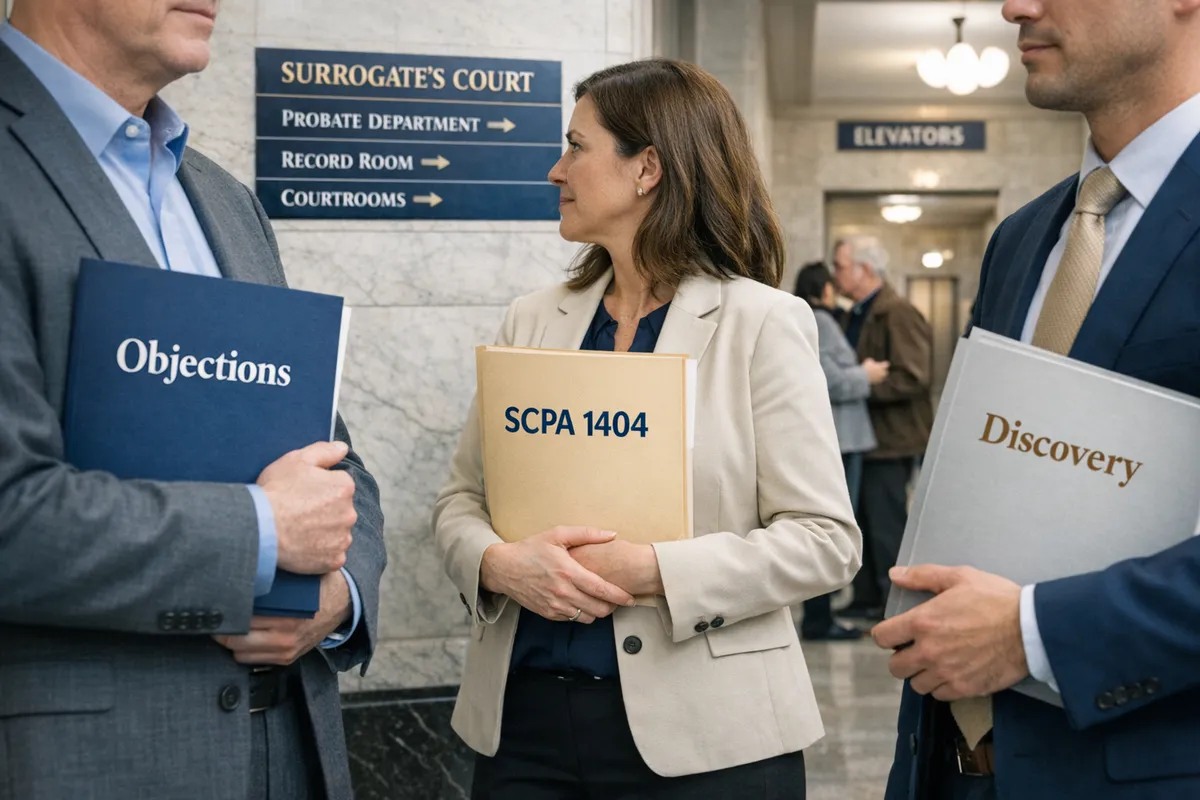
- SCPA 1404 discovery: depositions of the drafting attorney and witnesses, plus document demands.
- Motion practice or settlement talks: many cases resolve here.
- Trial (if needed): the judge decides validity based on evidence.
Step 3: Use SCPA 1404 strategically (the “pre-probate” discovery tool)
SCPA 1404 examinations can be the turning point. You are looking for details like: who contacted the attorney, whether the attorney screened for capacity, whether anyone “helped” answer questions, and whether the witnesses actually observed what the statute requires.
Step 4: Plan for costs and who pays legal fees
Clients often ask, “Who pays legal costs when contesting a will?” The honest answer is it depends. Each side usually pays their own attorney, but courts can sometimes shift fees in specific circumstances, and estates may pay certain administration expenses. The best cost-control move is early merits review so you do not fund a long fight with thin evidence.
If conflict escalates, you may also weigh mediation versus full litigation to control stress and spend. This is a useful framing: The Decision of Mediation vs. Litigation When Trying to Settle Disputes. Next, let’s ground this in real outcomes we see in New York.
Real New York Will Contest Cases: Successes and Lessons Learned
Real will contests are won and lost on documentation and timing, not volume. Here are anonymized examples that mirror what many NYC families experience.
In one Brooklyn case, an adult child challenged a late-in-life will that disinherited long-standing beneficiaries. The drafting attorney’s file showed the beneficiary drove the testator to the appointment, stayed in the room, and answered questions. After SCPA 1404 testimony and medical records showing cognitive decline, the parties settled with a revised distribution, avoiding trial.
In another case, a Queens small business owner assumed “unfair” meant “invalid.” There were no capacity issues, no execution defects, and the witnesses were credible. The objection was withdrawn after early discovery, saving the estate years of expense.
The lesson is consistent: the legal process of contesting a will in New York rewards targeted proof, and it punishes delay and speculation.
Common Misconceptions About Contesting a Will in New York and How to Avoid Pitfalls
The biggest pitfall is treating a will contest like a moral argument instead of a legal one. If you want to know how to contest a will in New York effectively, start by avoiding these common misconceptions.
First, “It’s always expensive and lengthy.” Some cases are, especially when they go to trial. But many resolve after a few focused depositions, especially if the evidence is clear. Early screening and a settlement plan often cost far less than a drawn-out fight.
Second, “If I was cut out, I automatically have a case.” Being disinherited is painful, but it is not itself a ground. You still need legal grounds for contesting a will NY recognizes.
Third, “The executor must be hiding something.” Sometimes there is wrongdoing; often it is just grief plus confusion. If you suspect disorganization rather than fraud, you may need better records and guidance, not war. Articles like Memory Makers: Your Personal Possessions can help families think clearly about property, documentation, and what to preserve.
Frequently Asked Questions About Contesting a Will in New York
What is the success rate of contesting a will in NY?
There is no single statewide “success rate,” because outcomes depend heavily on facts and evidence. In practice, cases with concrete proof, like execution defects, strong medical records, or credible undue influence patterns, are far more likely to settle favorably or win. Cases based mainly on hurt feelings or sibling conflict often end with withdrawals or minimal changes after discovery.
What are the grounds to contest a will in NY?
The main grounds are lack of testamentary capacity, undue influence, fraud, forgery, improper execution, and revocation or a later will. Courts focus on what happened at the time of signing and whether the will meets New York’s statutory formalities. If you are unsure which ground fits, an attorney can often identify the strongest theory by reviewing the probate petition, the attorney’s file, and medical or caregiver records.
How long do you have to contest a will in New York?
Usually, the key window is before the will is admitted to probate, after you receive citation or notice and before your objections deadline. Exact timing can vary by court and procedural posture, so do not rely on general internet timelines. If you think probate is moving forward, speak with counsel immediately so you do not lose rights by default.
Your Next Steps for Contesting a Will Without Wasting Time or Money
The best way to approach what is the legal process of contesting a will in new york is to treat it like a proof-driven project with real deadlines. Start by getting the probate papers, confirming standing, and identifying your strongest legal ground before emotions drive strategy.
If your end goal is protecting a home, business, or long-term care planning for a surviving spouse, a will contest may be only one piece of the plan. In some families, the smarter move is updating trusts and asset protection after the dispute is resolved. For example, many Brooklyn homeowners ask: Should I put my primary residence in an irrevocable trust?.
Want a clear plan and a realistic budget? Start Your Journey with Alatsas Law Firm, and we will help you assess your timeline, your evidence, and your best next step.