If you are asking what is the biggest mistake in a will, it is usually not a "bad clause," it is thinking the will controls everything. In our Brooklyn practice, we see small business owners, caregivers, divorcing parents, and young professionals do the same thing: they sign a will, feel "done," and never align their assets to the plan.
A will can be essential, but it does not automatically bypass probate, and it does not override beneficiary forms, joint ownership, or trust ownership. Below is a practical, New York focused checklist of common will mistakes and quick fixes so your heirs spend less time in Surrogate’s Court and more time healing.
Ready to get clarity fast? Schedule a Free Consultation to review your will and asset alignment with Alatsas Law Firm.
Key Takeaways
- A will does not control every asset; beneficiary designations and joint ownership often override it.
- What is the biggest mistake in a will? It is drafting a will without aligning titles, beneficiaries, and trust funding to match it.
- Probate delays are often avoidable when the executor has clean documents and the estate has fewer “probate-only” assets.
- Common will mistakes in New York create real costs; court time, family conflict, and frozen accounts can drain an inheritance.
- Updates matter; life events and new assets can quietly break an otherwise well written plan.
Understanding the Biggest Mistake in a Will: Incomplete Asset Alignment
The core answer to what is the biggest mistake in a will is this: the will says one thing, but the assets “say” another. New York Surrogate’s Court can only transfer what is actually in the probate estate, and many valuable assets never enter probate at all.
A common scenario is a Queens small business owner who signs a will leaving “everything” to a spouse, then to the kids. Sounds fine. But the business bank account is titled in an LLC with an operating agreement that has no succession plan, the retirement account names an ex-spouse as beneficiary, and the home is jointly owned with a parent “for convenience.” The will is not wrong, it is just powerless over those assets.
What “asset alignment” looks like in real life
Asset alignment means your ownership and beneficiary paperwork match your estate plan, not just your intentions. In practice, we look for these friction points:
- Beneficiary controlled assets: 401(k)s, IRAs, and many life insurance policies pass by beneficiary form, not by your will. If you are divorcing, the risk is obvious. If you are a caregiver, it can derail planning for a parent’s support.
- Joint ownership: Joint tenancy with right of survivorship passes automatically to the surviving owner. That can be helpful, but it can also disinherit children from a prior relationship.
- Trust ownership: If you have a trust, it must be funded. A trust that owns nothing is like a safe with no valuables inside.
For more on when a trust may be the right tool (and what kind), see: When should a family consider a trust as part of an estate plan, and what type of trust should they use?

This is why “I have a will” is not the same as “my plan will work.” Next, let’s get specific about the most common breakdowns we see in New York estates.
Common Will Mistakes in New York and Their Consequences
Common will mistakes in New York usually create two outcomes: Surrogate’s Court delays and family conflict. Even when nobody is trying to be difficult, unclear language and missing paperwork can freeze assets for months.
One frequent misconception is that a will alone is enough to avoid probate delays. In New York, a will is the document that starts probate, it does not replace it. The court still needs proper filing, notice to interested parties, and proof the will was executed correctly.
Mistake #1: Relying on “simple” wording that creates ambiguity
A clause like “I leave my house to my children” sounds clear until you ask: which house, which children, in what percentages, and what if one child predeceases you?
Here is a simplified comparison you can recognize in real documents:
Before (too vague): “I give my property to my kids.”
After (clearer): “I give my residuary estate, including my interest in the real property located at [address], to my children, [names], in equal shares per stirpes.”
“Per stirpes” is legal shorthand that helps prevent accidental disinheritance if a child dies before you. The right wording depends on your family tree, but the point is that vague language is one of the most common errors in estate planning documents.
Mistake #2: Naming the wrong executor, or naming no backup
Executors are not just “honorary.” They have to marshal assets, deal with creditors, and communicate with beneficiaries. If you name a person who lives out of state, has health issues, or is in the middle of a divorce, administration often slows down.
If you want a deeper primer on wills, common questions, and how executors work, read: Last Wills and Testaments | Most Commonly Asked Questions
Mistake #3: Forgetting how divorce and beneficiary designations collide
In divorce, people focus on the judgment and the house, and forget the retirement plan forms. If you are splitting a 401(k), the beneficiary designation is a separate landmine. Related reading: 401(k) and Divorce: Guide to Splitting Retirement Funds
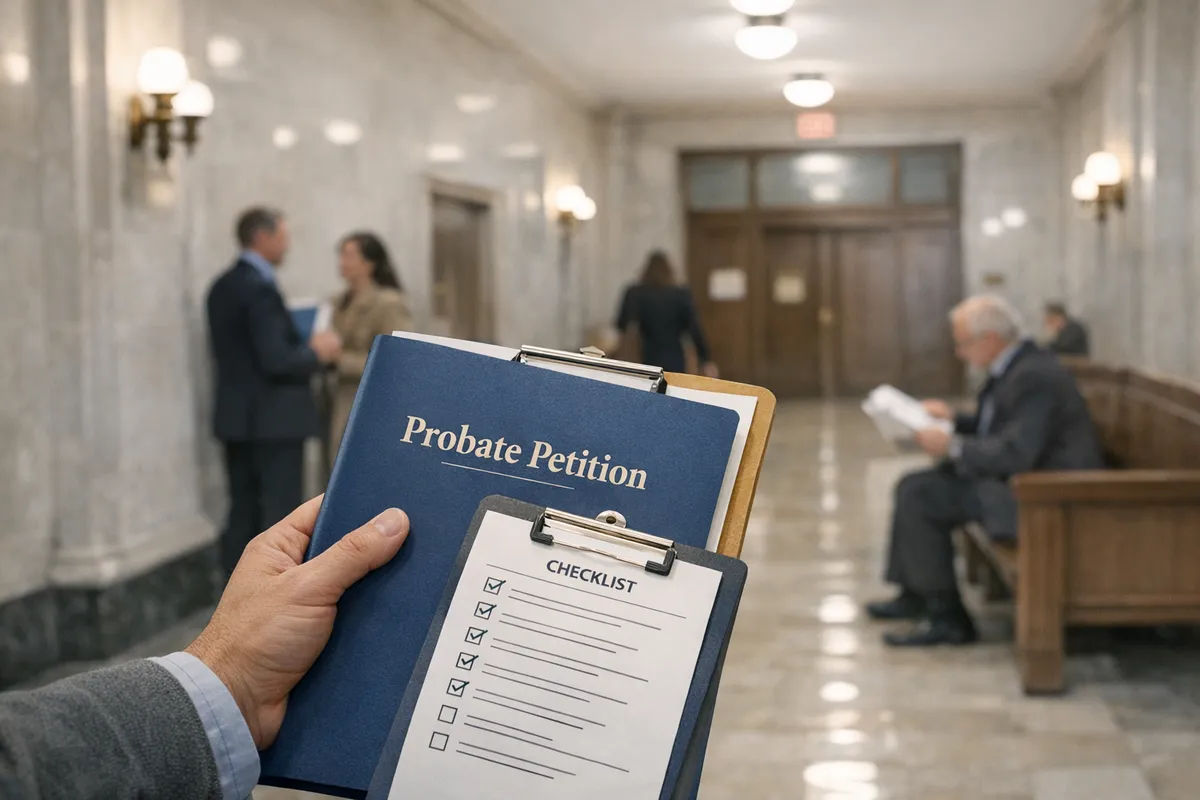
If you are wondering what is the biggest mistake in a will, notice the pattern: the mistake is rarely “no will at all.” It is preventable gaps that make probate harder than it needs to be. Let’s walk through a practical checklist.
How to Avoid Probate Delays with a Clear Will Drafting Checklist for New York Estates
If your goal is how to avoid probate delays, focus on reducing surprises for the court and your executor. A strong will drafting checklist for New York estates is less about fancy language and more about execution, organization, and asset alignment.
In our experience, the smoothest estates are the ones where the family can answer basic questions immediately: What assets exist? Who owns them? Who are the beneficiaries? Where are the originals?
A step-by-step will drafting checklist for New York estates
- Confirm you have the right document set. A will is often paired with a power of attorney and health care proxy so someone can act during incapacity, not just after death. See: Appointing Legal Representation and What You Need To Know
- Make executor choices realistic. Name a primary executor and at least one backup. If there is sibling conflict, consider a neutral executor option.
- Inventory assets with titles and beneficiaries. List each account, how it is titled, and who is named. This is where many errors in estate planning documents start.
- Clean up beneficiary designations. Update retirement and life insurance beneficiaries to match your plan. Remember, these often control over the will.
- Address business ownership explicitly. If you own an LLC, coordinate the will with the operating agreement. If you have partners, confirm buy-sell terms.
- Handle “hard to inherit” property thoughtfully. Co-ops, timeshares, collections, and closely held business interests can create friction for heirs. If you collect valuables, consider guidance from: Estate Planning Strategies for Expensive Hobbies and Collections
- Organize originals and access. Store the original will safely, and make sure your executor knows where it is. Keep a login list for digital assets.
A quick external reference that aligns with what families experience: New York Courts explains the probate process and common steps here: NY Courts probate overview

When you use this checklist, what is the biggest mistake in a will becomes easier to avoid because you are treating the will as one piece of a working system. Next, we will cover the update cycle that keeps that system from quietly breaking.
The Importance of Updating Your Will: Keeping Your Estate Plan Current
The importance of updating your will is not theoretical, it is what keeps a good plan from aging into a bad one. Even a perfectly drafted will can become misaligned after a purchase, a refinance, a marriage, a divorce, a birth, or a death.
A common Brooklyn caregiver scenario: a parent’s will leaves “my bank accounts to my children equally,” but over time one child is added as a joint owner to help pay bills. That well meaning change can override the will and create resentment. Another scenario involves a young professional who opens a first 401(k), checks the “default beneficiary,” and never revisits it.
If you want a simple way to keep your records current, start with: Is Your Financial Information Up to Date?
As a general rule, review your plan every 2 to 3 years, and immediately after major life events. If your family is coordinating long-term care support, that review can also connect with elder law planning and care management resources such as: Geriatric Managers Are Needed More Than Ever
Updating is where many families finally correct what is the biggest mistake in a will: they stop assuming the document is “set it and forget it,” and start treating it like maintenance.
Simple Fixes and Best Practices to Prevent the Biggest Will Mistakes
You do not need a complicated plan to fix what is the biggest mistake in a will, you need follow-through. The best practices below are the ones that consistently protect heirs from delays, disputes, and accidental disinheritance.
First, build a one-page “before and after” snapshot for your executor. Before: scattered paperwork, unknown beneficiaries, and unclear authority. After: a clean list of assets, a clear executor, and beneficiary forms that match the plan.
Second, get specific about tax and basis misunderstandings. Families sometimes transfer a home to children during life to “avoid probate,” then create a capital gains problem later. The IRS explains basis rules in plain language here: IRS Publication 551 (Basis of Assets). The right approach depends on your goals, but it is a reminder that probate avoidance is not the only metric.
Third, do a quick “six assets” sanity check. People often fight over or regret inheriting assets that are expensive, illiquid, or complicated, like a timeshare, a co-op with strict board rules, a property with liens, or a business interest with no buyer. That is not a reason to panic, but it is a reason to plan distribution and authority carefully.
Finally, if you are mixing family and business planning, coordinate asset protection tools with the estate plan. If you are weighing whether to work with an elder law attorney for planning depth, this is a helpful overview: What Are The Benefits of Hiring an Elder Law Attorney?
Want a second set of experienced eyes on your plan? Start Your Journey with Alatsas Law Firm and get a clear action list for your will, beneficiaries, and business interests.
Frequently Asked Questions About Will Mistakes and Probate in New York
What are the six worst assets to inherit?
The “worst” assets to inherit are usually the ones that are hard to sell, costly to maintain, or legally complicated. In New York, common examples include timeshares, co-ops with strict transfer rules, out-of-state property, distressed real estate with liens, closely held business interests without a buy-sell plan, and collections that need appraisals and insurance. These assets can be manageable, but they require clear authority and realistic instructions in the estate plan.
What are common beneficiary mistakes?
The most common beneficiary mistakes are outdated designations and unintended overrides of the will. People forget to update beneficiaries after divorce, name minors directly without a trust or guardianship plan, or split percentages incorrectly so the form does not add up. Another frequent error is naming an individual when a trust should receive the funds for control and protection. For many families, fixing beneficiary forms is the fastest way to reduce probate friction.
Does a will avoid probate in New York?
No, a will generally does not avoid probate in New York, it is what the court uses to run probate. Assets that pass by beneficiary designation, joint ownership with survivorship, or properly funded trusts may avoid probate, but a will alone usually means an executor must file in Surrogate’s Court. If avoiding delays is the goal, focus on organization, correct execution, and aligning titles and beneficiaries with the plan.
Your Next Steps for a Will That Actually Works
What is the biggest mistake in a will? It is believing the paper controls assets that are not aligned to it. When your will, titles, and beneficiary designations work together, you reduce probate delays and protect your heirs from avoidable stress.
If you take only one action this week, make an updated asset and beneficiary list and compare it to your will. That single exercise often reveals the exact gap that would have caused court delays.
When you are ready, a local review can turn uncertainty into a clear plan. The goal is simple: a properly drafted will with aligned assets so your family inherits with fewer surprises and more peace of mind.